Since 1867, an origin the world recognises
Every brand Nimali packs carries a mark that took more than a century and a half to earn. This is where it comes from.
An island that grew coffee
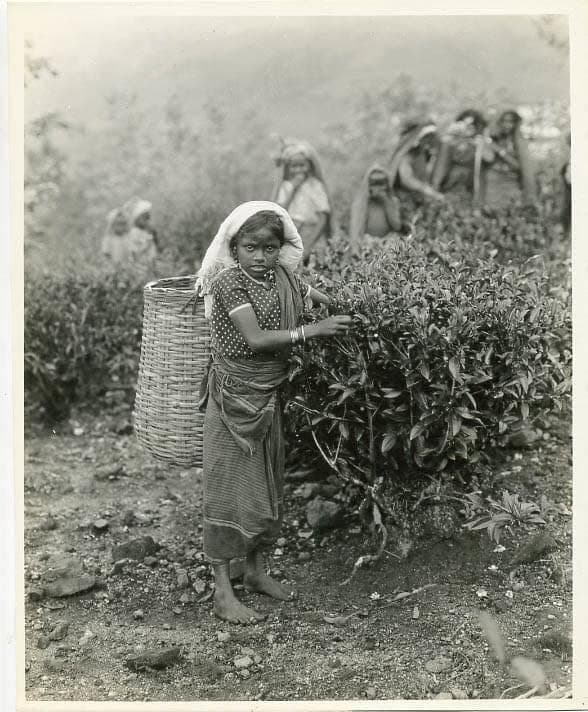
For most of the 1800s the Ceylon hill country was planted with coffee, and it made the colony's fortune.
Tea had been on the island since 1824 as a botanical-garden curiosity, with further plants brought from Assam in the years that followed. Nobody grew it to sell. The estates that carpeted the hills above Kandy were coffee, and through the 1860s Ceylon was one of the largest coffee producers anywhere.
Then a leaf disease arrived. Through the 1870s it spread from estate to estate faster than anyone could contain it, and by the mid-1880s the island's coffee industry was finished. Planters were left with cleared land, processing sheds, roads, labour and no crop. They needed something else to put in the ground, quickly.
James Taylor and Loolecondera
One planter had already been experimenting for years by the time coffee collapsed.
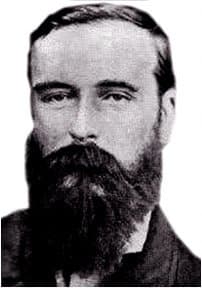
James Taylor came out from Kincardineshire in Scotland as a teenager and took charge of Loolecondera estate in the Hewaheta hills, south-east of Kandy. In 1867 he planted tea on around nineteen acres and set about learning to make it: rolling leaf by hand on tables on his bungalow verandah, firing it over charcoal, working out by trial what a good cup needed.
By 1872 he had a proper factory at Loolecondera and a rolling machine of his own design. In 1873 a first small lot, about 23 lb, went to the London auction and sold well. When the coffee estates failed a few years later, Taylor's method was already proven and ready to copy. Tea spread across the hill country within a decade.
How the industry took shape
- 1824
The first tea plants reach the island from China and are planted at the Royal Botanic Gardens, Peradeniya, as a curiosity. Coffee, not tea, is the money crop.
- 1867
James Taylor, a young Scottish planter, puts around 19 acres of tea into the ground at Loolecondera estate in the Hewaheta hills near Kandy. It is taken as the first commercial planting.
- 1872
Taylor builds a fully equipped tea factory at Loolecondera and works out a machine for rolling leaf, moving manufacture off the bungalow verandah.
- 1873
The first Ceylon tea reaches the London auction: a consignment of about 23 lb. Buyers take to it quickly.
- 1880s
A leaf disease finishes the island's coffee estates. Planters replace failed coffee with tea right across the hill country, and acreage climbs into the hundreds of thousands.
- 1890
Thomas Lipton buys Ceylon estates and sells the tea under his own name, promising it comes straight from the tea garden to the teapot.
- 1894
The Colombo Tea Traders' Association is formed. The Colombo auction grows into one of the largest tea auctions in the world and still sets prices weekly.
- 1925
The Tea Research Institute is established at St. Coombs, Talawakelle, to put the industry's agronomy and manufacture on a scientific footing.
- 1976
The Sri Lanka Tea Board is created to regulate and promote Ceylon Tea. The Lion mark, granted only to tea grown, manufactured and packed in Sri Lanka, follows.
- 2000s
Sri Lanka is recognised for producing ozone-friendly tea after phasing methyl bromide out of its estates ahead of the international deadline.
Seven districts, seven characters
The Sri Lanka Tea Board recognises seven agro-climatic regions. Elevation does most of the work: high-grown tea (above 1,200 m) is light and aromatic, low-grown tea (below 600 m) is dark and full-bodied, and mid-grown sits between.
- Nuwara EliyaHigh-grown · 1,800 m+The highest district. Light in the cup, bright and delicately fragrant. Often called the Champagne of Ceylon Tea.
- Uda PussellawaHigh-grownNuwara Eliya's neighbour. A little more body, a tangy edge, and a rosy tint that deepens in the wetter months.
- DimbulaHigh-grown · 1,050–1,650 mWest of the central massif. Cleanest and most full-flavoured when the dry January–March winds blow across the slopes.
- UvaHigh-grown · 900–1,500 mThe eastern slopes. A mellow, sweetish character the dry-season winds bring out, and a mainstay of quality blends.
- KandyMid-grown · 650–1,300 mWhere the industry started. Strong, full and bright, with a coppery infusion that stands up to milk.
- RuhunaLow-grown · sea level–600 mThe southern lowlands. Bold, dark and full-bodied, with long stylish leaf and notes of caramel and honey.
- SabaragamuwaLow-grownThe largest district by output. Fast-brewing, dark liquor and long leaf styles made largely for export.
What Ceylon Tea actually certifies
The lion holding a sword is a controlled trademark of the Sri Lanka Tea Board. It is granted only to tea that is grown, manufactured and packed in Sri Lanka to the Board's standards, and it cannot be applied to a blend that leaves the country as loose tea to be packed elsewhere.
That last point is why contract packing on the island matters. Tea is at its best close to origin, before long storage and a second handling in another country. Packing in Sri Lanka keeps the chain short and keeps the mark intact.
We are the last careful step before the pack
Every brand we pack carries this heritage. Our job is to protect it: sealing in the freshness, aroma and quality of Ceylon tea so it reaches the world exactly as intended.